
-1.svg)
A 2022 report by the North Carolina Department of Health and Human Services titled “Youth Risk Behavior Survey Data Summary” revealed that nearly 1 in 5 NC high school students reported current alcohol use, and 1 in 7 admitted to marijuana use, alarming numbers that indicate early exposure to substances during critical brain development.
If your child or teen is experimenting with substances, it’s not just “a phase.” The teenage brain is still developing, particularly the prefrontal cortex responsible for decision-making, impulse control, and long-term judgment. In contrast, the emotional and reward-driven limbic system matures earlier, leaving adolescents vulnerable to impulsive behavior, peer pressure, and the lure of immediate gratification. This mismatch makes substance use especially dangerous.
In Wake Forest and across North Carolina, families are confronting the consequences of early substance use, from declining school performance to growing emotional distance and risky behavior. Understanding the science behind teen brain development and how substances interfere with this process is critical for any parent or guardian trying to intervene. Early action can mean the difference between short-term experimentation and long-term dependency. If your loved one is showing signs of use, you’re not alone, and support is available right here in your community.
How Does the Teenage Brain Develop and Why Does It Matter for Addiction?
The teenage brain develops gradually and is still under construction. The prefrontal cortex, which governs self-control and decision-making, isn’t fully developed until the mid-20s. Meanwhile, the emotional centers that crave reward and excitement mature earlier. This imbalance makes teens more likely to act impulsively, chase stimulation, and underestimate danger.
A research brief by the North Carolina Institute of Medicine titled “Substance Use in Adolescents,” published in 2021, warned that adolescent brains are biologically wired for risk-taking due to delayed prefrontal cortex development and an overactive limbic system, making them highly susceptible to substance misuse.
For teens experimenting with drugs or alcohol, this neurological mismatch amplifies the risks. Substances disrupt the brain’s natural wiring during a crucial growth period, affecting memory, emotion regulation, and risk assessment. It’s not about poor choices, it’s about brain chemistry under construction.
If your child in Wake Forest is using substances, their behavior is biologically driven, not just defiant. Understanding this helps reduce blame and opens the door to compassion, intervention, and effective treatment.
What Are the Immediate Effects of Substance Use on Teenagers?
The immediate effects of substance use on teenagers include impaired judgment, memory disruption, emotional instability, and heightened risk-taking.
- Alcohol reduces inhibition and can cause blackouts.
- Marijuana impairs attention and learning.
- Opioids create intense cravings and emotional withdrawal even after brief use.
A 2023 study by the UNC School of Medicine titled “Acute Effects of Substance Use on Adolescent Neurocognition” found that North Carolina teens experience more severe short-term cognitive and behavioral disruption from substances than adults, due to the brain’s incomplete development.
In Wake Forest and across NC, these acute effects show up as slipping grades, erratic moods, or social withdrawal. For families, recognizing that these aren’t just “teenage phases” is the first step toward early intervention and protecting long-term brain health.
What Are the Long-Term Risks of Teen Substance Use?
The long-term risks of teen substance use include lasting brain changes, academic decline, and increased chances of addiction and mental health disorders. These effects can persist well into adulthood, even if substance use stops.
A 2021 report by the North Carolina Department of Health and Human Services titled “NC Youth Substance Use State Epidemiological Profile” found that students who reported early drug use (before age 15) were nearly three times more likely to experience long-term substance dependence and mental health struggles compared to those who delayed use.
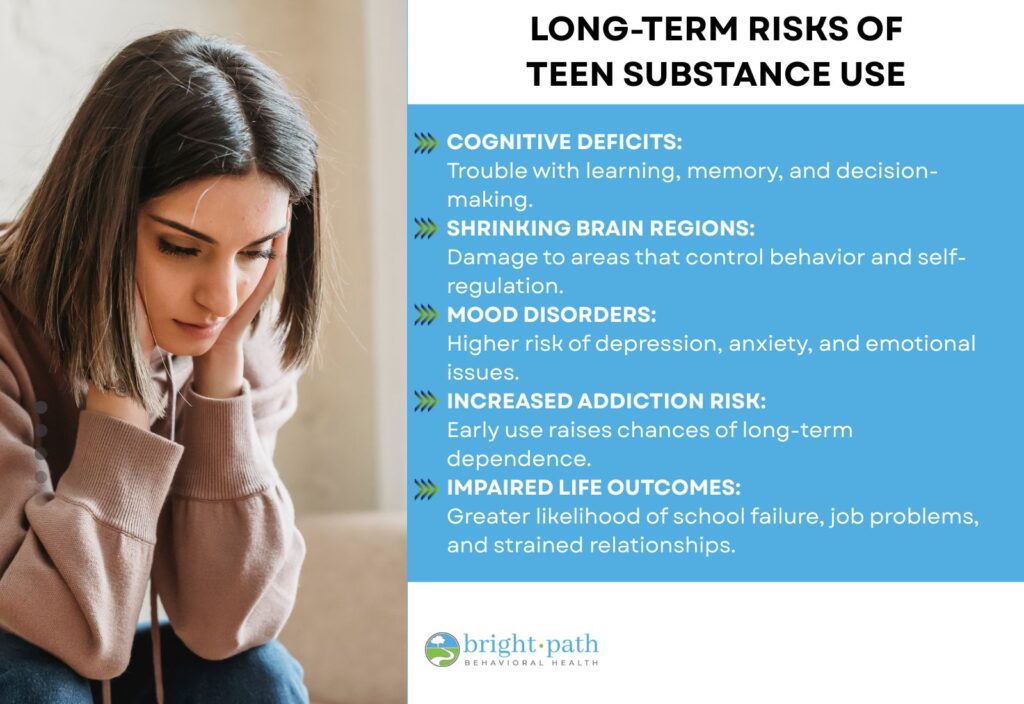
Listed below are the long-term risks of substance abuse.
- Cognitive Deficits: Reduced ability to learn, retain information, and make sound decisions.
- Shrinking Brain Regions: Especially in areas tied to self-regulation and behavior control.
- Mood Disorders: Elevated risk of depression, anxiety, and emotional dysregulation.
- Increased Addiction Risk: Earlier exposure raises the likelihood of chronic substance use.
- Impaired Life Outcomes: Greater risk of academic failure, job instability, and relationship issues.
If your teen in Wake Forest has started using substances, this is the critical window to intervene before these effects take hold.
Why Are Teenagers More Vulnerable to Peer Pressure and Substance Use?
Teenagers are more vulnerable to peer pressure and substance use because their brains are wired for social acceptance and risk-taking, making them more likely to follow peers into unsafe behaviors, especially when they’re trying to fit in or explore their identity.
A 2021 survey by the North Carolina Youth Risk Behavior Surveillance System titled “High School Survey Data Summary” found that over 30% of NC high school students reported using substances primarily due to peer encouragement or social situations.
The main reasons for increased vulnerability are listed below.
- Social Reward Sensitivity: Teens get a dopamine boost from peer approval, even when risks are high.
- Emotional Immaturity: The desire to feel grown-up or rebel can override logical thinking.
- Curiosity and Exploration: Adolescents test limits and try new experiences, including substances.
- Fear of Rejection: Many teens tend to avoid being seen as “different” or “uncool.”
- Minimized Perception of Risk: Believing “everyone does it” or “it’s just weed” lowers their guard.
If peers who normalize substance use surround your teen in Wake Forest, it’s a biological and social vulnerability that requires guided intervention.
How Can Parents and Communities Prevent Teen Substance Use?
Parents and communities can prevent teen substance use by combining honest communication, education, early support, and strong role modeling. Prevention isn’t about scare tactics, it’s about trust, consistency, and clear expectations.
According to a 2022 report by the North Carolina Department of Public Instruction titled “School Health Profiles,” schools that implemented evidence-based prevention programs and engaged families saw substance use rates drop by up to 25% among students.
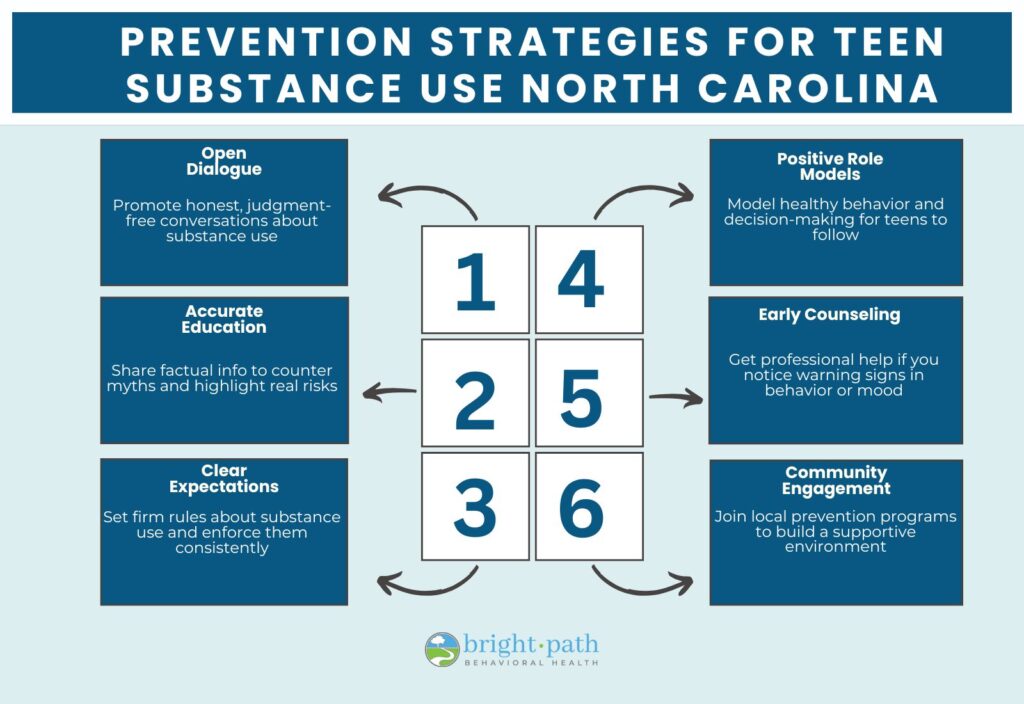
Listed below are prevention strategies for teen substance use.
- Open Dialogue at Home: Create a safe, judgment-free space where teens can talk about peer pressure and curiosity.
- Accurate Education: Teach the real risks of alcohol, marijuana, and other substances without exaggeration or shame.
- Clear Expectations: Set firm but fair rules about substance use, and follow through consistently.
- Positive Role Models: Surround teens with adults who model healthy, substance-free coping behaviors.
- Early Counseling Support: If you notice changes in mood, school performance, or social circles, seek help early.
- Community Engagement: After-school programs, youth groups, and local initiatives aimed at substance prevention.
In Wake Forest, leveraging both family and community support systems gives your teen the best shot at avoiding risky choices and building lifelong resilience.
How Can Parents and Communities Prevent Teen Substance Use?
Parents and communities can prevent teen substance use by fostering parent coaching groups, open communication, providing accurate education, setting clear expectations, and serving as positive role models. These proactive measures are crucial in guiding adolescents toward healthy choices.
According to the 2021 North Carolina Youth Risk Behavior Survey (YRBS), approximately 19.6% of high school students reported current alcohol use, and 13.3% reported current marijuana use. These figures underscore the importance of preventive strategies at both the family and community levels.
Listed below are prevention strategies for teen substance use.
- Open Dialogue at Home: Encourage honest conversations about substance use, allowing teens to express their thoughts and concerns without fear of judgment.
- Accurate Education: Provide factual information about the risks and consequences of substance use, dispelling myths and misconceptions.
- Clear Expectations: Establish and communicate clear rules regarding substance use, and consistently enforce them.
- Positive Role Models: Demonstrate healthy coping mechanisms and decision-making skills, serving as an example for teens to emulate.
- Early Counseling Support: Seek professional help if you notice changes in your teen’s behavior, mood, or social circles that indicate substance use.
- Community Engagement: Participate in local initiatives and programs aimed at substance use prevention, fostering a supportive environment for youth.
In Wake Forest, NC, leveraging both family and community resources can reduce the risk of teen substance use and promote long-term well-being.
What Are the Warning Signs of Substance Use in Teens?
The warning signs of teen substance use include sudden behavior changes, physical symptoms, emotional instability, and social withdrawal. These signs appear gradually or all at once, and are mistaken for “normal teenage mood swings.”
A 2020 study by the North Carolina Office of Rural Health titled “Adolescent Behavioral Health Needs Assessment” found that caregivers missed early substance use in teens because they attributed signs to academic stress, puberty, or peer conflict, delaying help by months or even years.
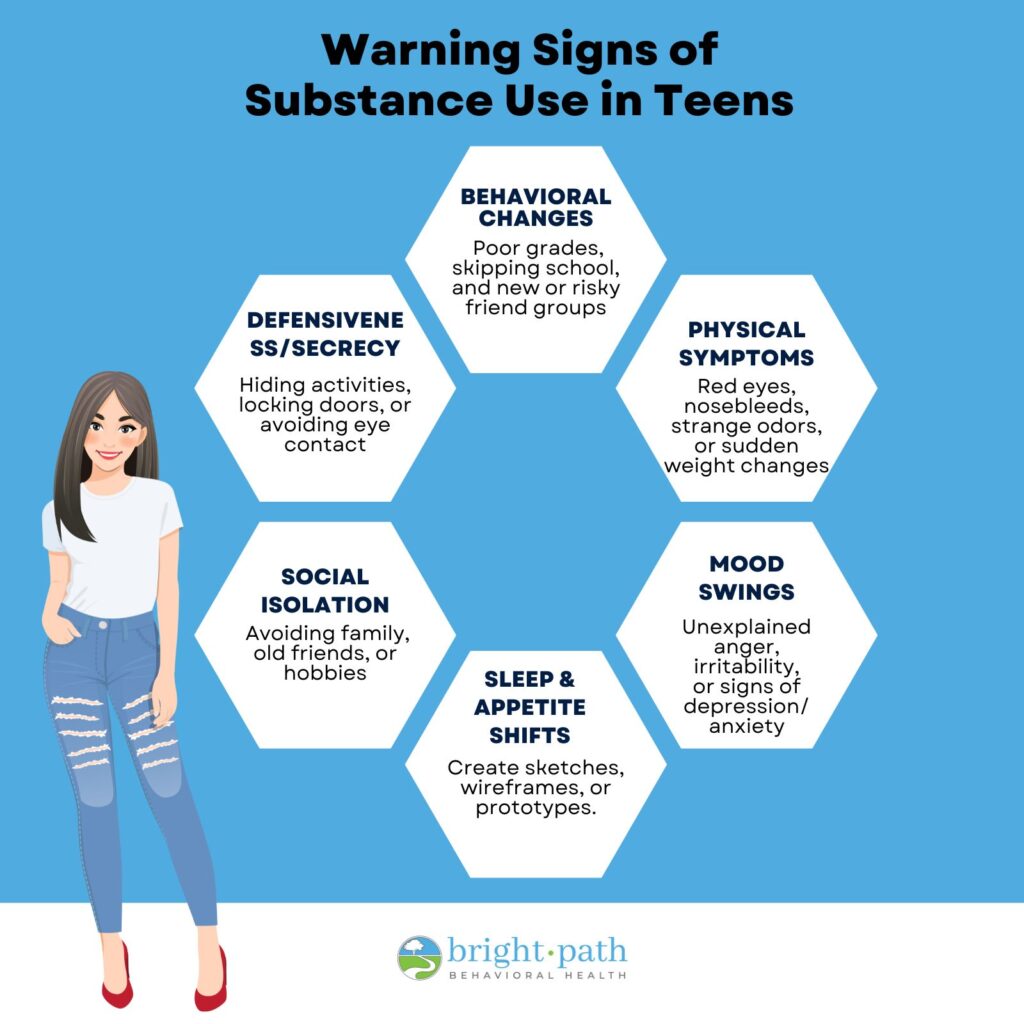
Listed below are warning signs of Substance Use in Teens.
- Behavioral Changes: Drop in grades, skipping classes, or hanging out with new peer groups.
- Physical Symptoms: Bloodshot eyes, frequent nosebleeds, unusual smells, or weight fluctuations.
- Mood Swings: Sudden anger, irritability, or signs of depression or anxiety.
- Sleep and Appetite Shifts: Staying up all night, oversleeping, or major changes in eating habits.
- Social Isolation: Withdrawing from family activities, avoiding long-time friends, or losing interest in hobbies.
- Defensiveness or Secrecy: Avoiding eye contact, locking doors, or refusing to share whereabouts.
If you’re seeing several of these signs in your teen in Wake Forest, don’t wait; early intervention increases the chance of recovery and reduces long-term damage.
What Are the Best Treatment Options for Teen Addiction?
The best treatment options for teen addiction include Partial Hospitalization Programs (PHP), Intensive Outpatient Programs (IOP), individual therapy, and family-based interventions. The right approach depends on the severity of use, co-occurring mental health needs, and family support structure.
A 2022 analysis by the North Carolina Department of Health and Human Services titled “Behavioral Health Strategic Plan” emphasized that PHP and IOP programs have shown the highest success rates for teens in North Carolina when combined with ongoing counseling and parental involvement.
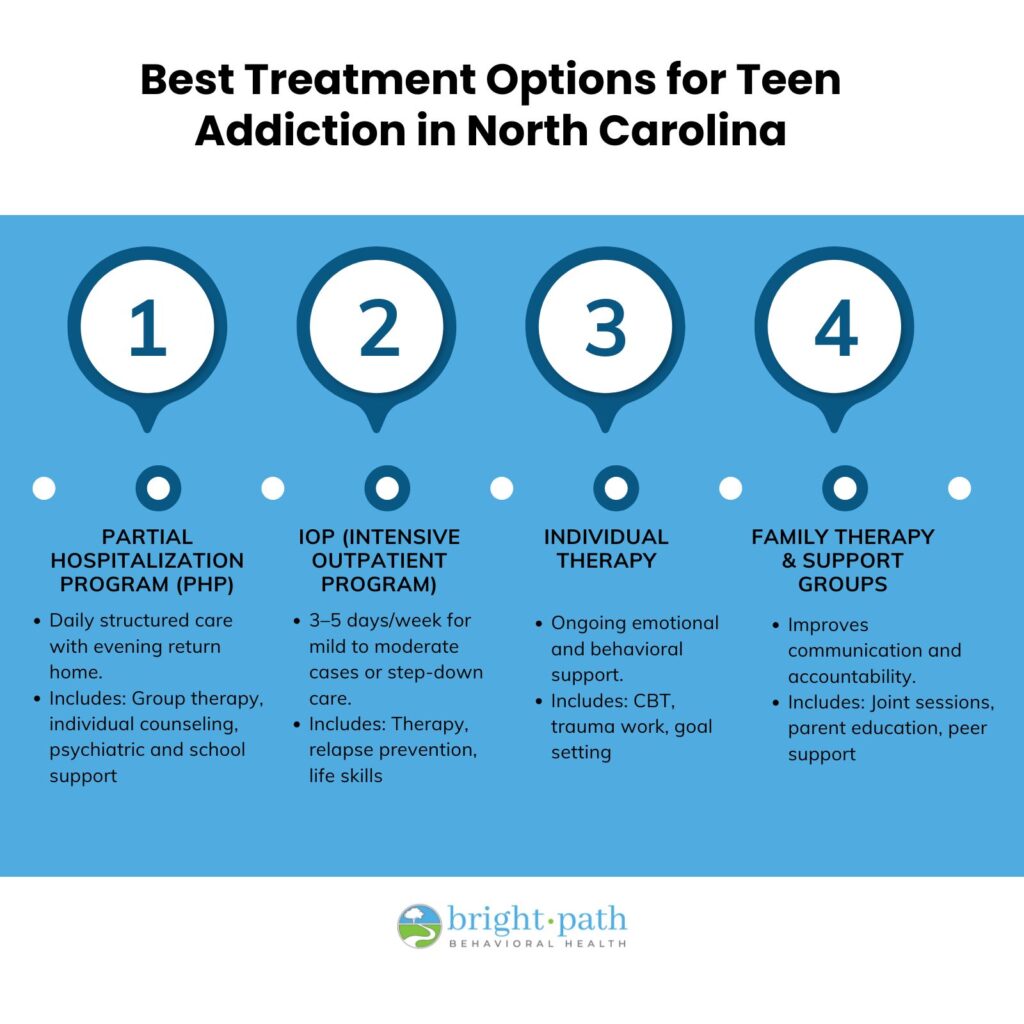
Effective teen addiction treatments include:
In Wake Forest, combining structured care with ongoing family involvement gives teens the strongest chance to recover and rebuild their futures.
Where Can You Get Teen PHP or IOP Addiction Treatment in Wake Forest, NC?
You can get treatment for teen addiction at specialized rehab centers in Wake Forest, NC. Facilities such as Bright Path Behavioral Health offer evidence-based care for adolescents struggling with substance use. Their programs include Partial Hospitalization Programs (PHP) and Intensive Outpatient Programs (IOP), which provide structured therapy, medication support, and holistic strategies like mindfulness and peer recovery. These centers work closely with families to ensure teens receive comprehensive support tailored to their needs.
Does Insurance Cover Teen Addiction Treatment in North Carolina?
Yes, insurance covers teen addiction treatment in North Carolina. Most plans, including Medicaid, Blue Cross Blue Shield, Cigna, and UnitedHealthcare, offer benefits for therapy, psychiatric evaluation, and medication-assisted treatment. The Affordable Care Act (ACA) ensures that substance use disorder treatment is considered an essential health benefit, meaning coverage is widely available. However, coverage specifics vary by provider, so it’s important to verify your insurance to understand your out-of-pocket costs. Many rehab centers, such as The Insight Program, accept major insurance plans and assist with verification and financial planning.