
-1.svg)
Teen depression is a growing concern with serious consequences, and understanding its causes, symptoms, and treatment is essential. In North Carolina, about 15.3% of youth aged 12–17 reported having at least one major depressive episode in 2019, a sharp rise from earlier years.
Causes of teen depression span genetic predisposition, hormonal changes, environmental stressors like bullying or family conflict, psychological traits including negative self-image, and co-occurring mental health conditions. Symptoms of depression in teenagers include several weeks of persistent sadness or hopelessness, loss of interest in once-enjoyed activities, disturbances in sleep or appetite, fatigue, difficulty concentrating, feelings of guilt or worthlessness, or thoughts of self-harm.
Effective treatments for adolescents struggling with depression combine therapy (such as cognitive-behavioral or interpersonal therapy), medication under professional supervision, lifestyle changes, and strong social support. Early detection and comprehensive care improve outcomes and help teens manage depression more successfully.
What is Teen Depression?
Teen depression is a mental health condition that makes a person feel persistently sad, empty, or hopeless. It goes beyond the regular ups and downs of emotions and affects a person’s daily life, relationships, and overall well-being. Teen depression makes even simple tasks feel overwhelming and drain the enjoyment out of them.
Teen depression is not a sign of weakness or a character flaw. It is a real and treatable medical condition that requires proper attention and support from parents, caregivers, and mental health professionals. Understanding the causes of teen depression, recognizing the symptoms, and addressing the effects of teen depression are crucial steps in providing the necessary help and intervention.
What Are the Causes of Teen Depression?
The causes of teen depression are complex and involve a combination of biological, psychological, and environmental factors.
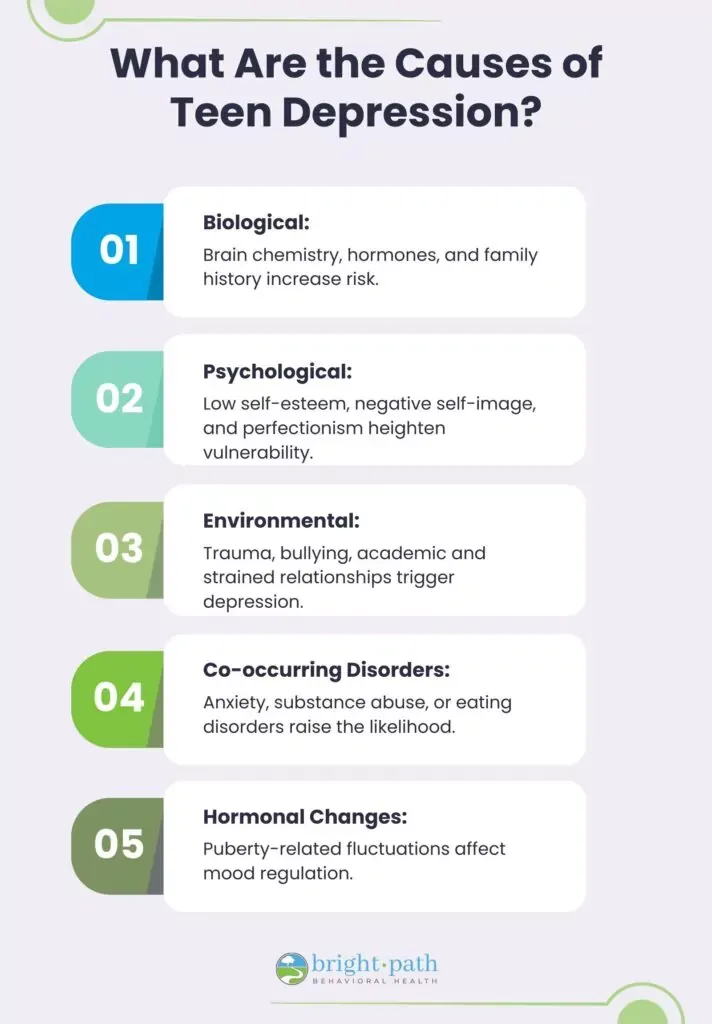
Here are some common contributing factors of teen depression:
1. Biological Factors
Changes in brain chemistry, hormones, and genetics influence a teenager’s susceptibility to depression. A family history of depression or other mental health disorders also increases the risk. Genes are some of the most common factors when it comes to mental health issues and influence triggers for teen depression.
2. Psychological factors
Teens who have low self-esteem, a negative self-image, or a tendency toward perfectionism are more prone to developing depression. Certain personality traits, such as being highly self-critical or having a pessimistic outlook, contribute to the onset of depression.
3. Environmental factors
Stressful life events like the loss of a loved one, divorce, abuse, or significant academic pressures trigger or exacerbate depression in teenagers. Social factors, including bullying, social isolation, or strained relationships with friends or family, also play a role. Parents and guardians must pay attention to the environment they’re raising their kids in and the kinds of friends they associate with.
4. Co-occurring disorders
Teenagers with other mental health conditions, such as anxiety, substance abuse, or eating disorders, have an increased risk of developing depression. While depression is usually a stand-alone mental health condition, it is triggered by symptoms from other mental health problems or drug use.
5. Hormonal changes
Adolescence is a time of hormonal fluctuations, which impact mood regulation and contribute to the development of depression. As teenagers gradually go through or come out of puberty, they’re likely to experience changes in their behaviors and moods due to the changes happening inside them.
What Are the Symptoms of Teen Depression
The symptoms of teen depression go beyond normal mood swings, lasting two weeks or longer and significantly affecting daily life, relationships, and overall well-being. Its symptoms show up in both emotional and physical ways, making it important to recognize them early for proper support and treatment.
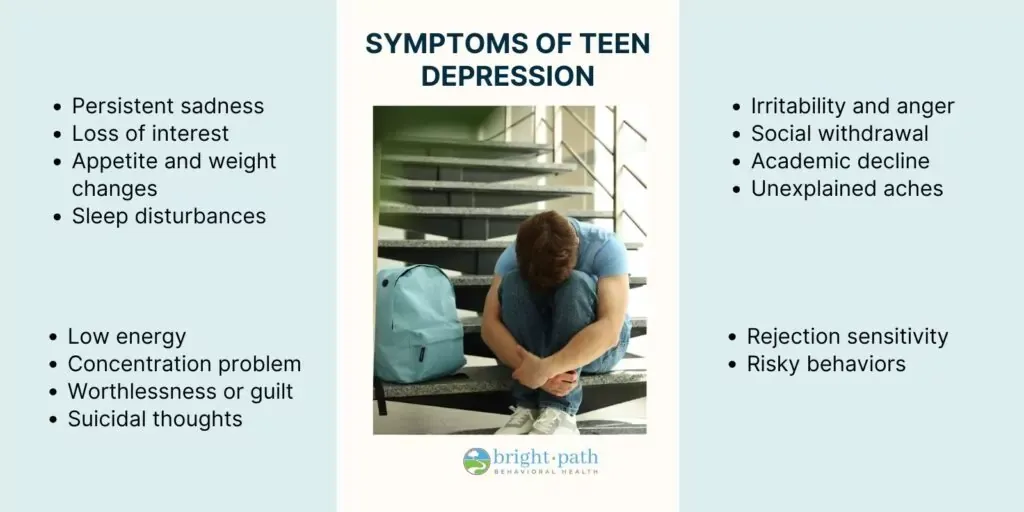
The symptoms of teen depression are as follows:
- Persistent Sadness: Teens feel constantly sad, empty, or hopeless, with these emotions lasting most of the day.
- Loss of Interest: Activities, hobbies, or social interactions they once enjoyed no longer bring pleasure.
- Appetite and Weight Changes: Significant weight loss, weight gain, or irregular eating habits become noticeable in teen depression.
- Sleep Disturbances: Depression in teens causes insomnia, restless sleep, or, in contrast, excessive sleeping.
- Low Energy: Teens appear fatigued, drained, or struggle to complete daily tasks.
- Concentration Problems: Difficulty focusing, poor memory, and indecisiveness interfere with schoolwork.
- Worthlessness or Guilt: A strong sense of failure, shame, or excessive self-blame takes over their thoughts.
- Suicidal Thoughts: Some teens express or think about death, self-harm, or suicide.
- Irritability and Anger: Instead of sadness, some display irritability, frustration, or frequent anger outbursts.
- Social Withdrawal: Teens isolate themselves from family, friends, and social events as a symptom of depression.
- Academic Decline: Falling grades or poor performance in school accompany depression.
- Unexplained Aches: Teens complain of headaches, stomachaches, or physical pain without a medical cause.
- Rejection Sensitivity: They overreact to criticism, disapproval, or feelings of failure.
- Risky Behaviors: Substance use, self-harm, or reckless actions are used as unhealthy coping mechanisms.
What Are the Side Effects of Depression in Teens?
The side effects of teen depression affect their emotional well-being, relationships, academic performance, and overall quality of life.
Here are some common side effects of teen depression:
1. Emotional Impact
Teens with depression experience intense and persistent feelings of sadness, hopelessness, and despair. They also have difficulty experiencing joy or pleasure, leading to a general sense of emotional numbness. Irritability, anger outbursts, and a heightened sensitivity to criticism or rejection are common.
2. Social and Relationship Difficulties
Teenagers with depression struggle to maintain healthy relationships with friends and family members. They withdraw from social activities, isolate themselves, or have a reduced interest in engaging with others. This leads to feelings of loneliness, further exacerbating their depressive symptoms.
3. Academic Challenges
Depression significantly affects a teenager’s academic performance. Lack of motivation, difficulty concentrating, and decreased energy levels make it challenging to focus on schoolwork, leading to a decline in grades and overall academic achievement. Attendance issues and a loss of interest in extracurricular activities also arise.
4. Physical Health Problems
Depression in teens manifests in physical symptoms such as headaches, stomachaches, changes in appetite, and sleep disturbances. Depressed teens engage in unhealthy behaviors, including substance abuse, self-harm, or risky sexual activity, as a way to cope with their emotional pain.
5. Increased Risk of Self-harm or Suicide
Teenagers with depression are at a higher risk of self-harm and suicide. They experience thoughts of death or suicide, and it is crucial to take such expressions seriously and seek immediate professional help to ensure their safety.
How to Treat Teens with Depression?
To treat depression in teens, early intervention and a comprehensive approach are key.
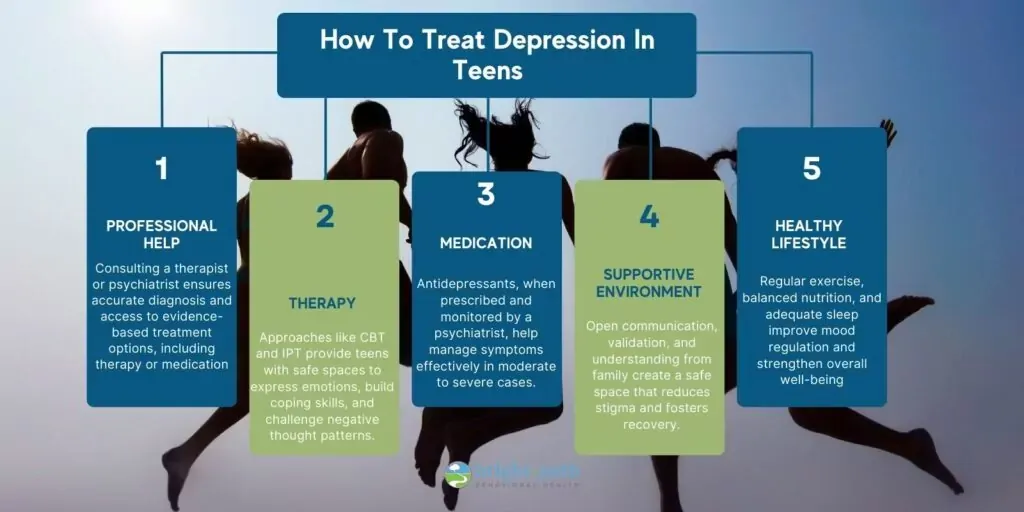
Here are some effective treatments and strategies that assist in supporting teenagers with depression:
1. Professional help
Encourage the teenager to seek professional support from a mental health provider, such as a therapist or psychiatrist. These professionals provide a proper diagnosis, offer evidence-based treatments, and create an individualized treatment plan. This includes therapy, medication, or a combination of both.
2. Therapy
Different types of therapy, such as cognitive-behavioral therapy (CBT) or interpersonal therapy (IPT), can be beneficial for teens with depression. Therapy provides a safe space for them to express their emotions, learn healthy coping skills, challenge negative thoughts, and develop strategies for managing depressive symptoms.
3. Medication
In some cases, a psychiatrist prescribes medications to help manage the symptoms of depression in teens. Antidepressant medications are effective, but they should always be used under the supervision of a medical professional who monitors their efficacy and any potential side effects.
4. Supportive environment
Creating a supportive and understanding environment is essential. Encourage open and non-judgmental communication, and let the teenager know you are there to listen and support them. Validate their feelings and experiences, and avoid minimizing or dismissing their struggles.
5. Healthy lifestyle habits
Promote a healthy lifestyle that includes regular exercise, a balanced diet, and adequate sleep. Encourage the teen to engage in activities they enjoy and to maintain a routine that provides structure and stability.
6. Social support
Encourage the teen to maintain social connections and engage in activities with friends and family. Healthy social interactions and a support network provide emotional support and help combat feelings of isolation. At this time, it is crucial to have people around them who understand what they’re going through.
7. Education and awareness
Educate yourself and others about teen depression to better understand the condition and reduce stigma. Provide resources and information to the teenager and their support network to help them navigate their journey towards recovery.
8. Encourage healthy coping mechanisms
Help the teen explore and develop healthy coping mechanisms to manage stress and negative emotions. This includes engaging in creative outlets (such as art or music), practicing relaxation techniques (such as deep breathing or mindfulness), or participating in activities that promote self-care and self-expression.
9. Monitor and limit technology use
Excessive use of technology, including social media, contributes to feelings of inadequacy and isolation and negatively impacts mental health. Encourage the teen to have healthy boundaries with technology and engage in activities that promote face-to-face interactions and real-world connections.
10. Encourage regular routines and goal-setting
Establishing consistent routines and setting achievable goals provides the teenager with structure and a sense of purpose. Help them break down tasks into smaller, manageable steps and celebrate their accomplishments along the way.
11. Be vigilant for warning signs
Stay attuned to any potential warning signs of worsening depression or suicidal ideation. If the teenager expresses thoughts of self-harm or suicide, take it seriously and seek immediate professional help or contact a helpline in your country.
How to Prevent Depression in Teens?
Preventing depression in teens involves fostering protective factors that support their mental and emotional well-being. Healthy relationships with family, peers, and mentors create a supportive network, while resilience-building helps teens cope with challenges more effectively. Regular physical activity, a balanced lifestyle, and proper stress management techniques contribute to emotional stability.
Teaching emotional intelligence and promoting a sense of purpose encourages self-awareness and positive coping skills in teens struggling with depression. A supportive school environment and mindful use of social media reduce external pressures that trigger depressive symptoms.
Educating teens about mental health and encouraging help-seeking behavior ensures early recognition and timely support. Most importantly, being a consistent and supportive presence provides reassurance and strengthens a teen’s ability to manage difficulties. While not all cases of depression are prevented, these measures lower risks and improve overall well-being.
How Does Social Media Cause Depression in Teens?
Social media causes depression in teens by potentially contributing to the development or exacerbation of social comparison, cyberbullying, and trolling. The impact of social media on adolescents’ mental health stems from constant exposure to curated images of others’ lives, pressure to gain approval through likes or comments, fear of missing out (FOMO), and harmful online interactions that can damage self-esteem and increase feelings of isolation.
The following are the ways in which social media causes depression in teens:
1. Social comparison
Social media platforms showcase curated and idealized versions of people’s lives. Teens compare themselves unfavorably to others, leading to feelings of inadequacy, low self-esteem, and depression. The constant exposure to filtered and edited images creates unrealistic standards of beauty and success, which negatively impact a teenager’s self-perception.
2. Cyberbullying
Online platforms are breeding grounds for cyberbullying, where teens experience harassment, humiliation, or exclusion. The anonymity and distance provided by social media intensify the impact of bullying, leading to increased feelings of sadness, loneliness, and depression.
3. Fear of missing out (FOMO)
Social media amplifies feelings of FOMO, as teens witness their peers participating in social activities or events they were not invited to. Constant exposure to others’ social experiences intensifies feelings of exclusion and isolation, contributing to depressive symptoms.
4. Negative social feedback
On social media, teenagers encounter negative comments, criticism, or rejection. Such experiences lead to feelings of worthlessness, self-doubt, and depression. The pressure to gain likes, followers, or approval also negatively impacts self-esteem and mental well-being.
5. Distorted perception of reality
Social media creates a distorted perception of reality, as individuals tend to highlight positive aspects of their lives while concealing struggles or challenges. This leads to a skewed comparison, making teenagers believe that everyone else’s lives are perfect, further fueling feelings of dissatisfaction, loneliness, and depression.
6. Sleep disturbances
Excessive use of social media, particularly before bedtime, disrupts sleep patterns and quality. Inadequate sleep has been linked to increased vulnerability to depression and other mental health issues in teenagers.
Understand that not all teens will experience depression as a direct result of social media use, and the impact can vary among individuals. However, excessive and unhealthy usage patterns, combined with other risk factors, can contribute to the development or worsening of depressive symptoms in susceptible teenagers.