
-1.svg)
Mood disorders encompass psychiatric conditions characterized by persistent disturbances in emotional states. Mood disorders include major depressive disorder, bipolar disorder, persistent depressive disorder, cyclothymic disorder, and disruptive mood dysregulation disorder. Major depressive disorder and bipolar disorder remain the most prevalent across all demographics.
Mood disorders display symptoms such as prolonged sadness, irritability, low energy, loss of interest, disrupted sleep, changes in appetite, and impaired concentration. Mood disorders cause a persistent sense of emptiness or disconnection. Mood disorders affect teenagers during the hormonal and social development phases. Mood disorders also affect children and interfere with academic performance, social behavior, and developmental milestones.
Mood disorders result from neurotransmitter dysregulation, genetic vulnerability, chronic stress exposure, and early trauma. A study by Caspi et al., titled Influence of Life Stress on Depression: Moderation by a Polymorphism in the 5-HTT Gene in 2003 confirmed that individuals with a specific serotonin transporter gene variant experience higher rates of depressive episodes under stress
Mood disorders undergo diagnosis using standardized psychiatric assessments such as DSM-5 criteria, patient interviews, and mood rating scales. Treatments for mood disorders include pharmacotherapy such as SSRIs, SNRIs, mood stabilizers, and atypical antipsychotics. Therapies for mood disorders include cognitive behavioral therapy, interpersonal therapy, and dialectical behavior therapy.
Mood disorders affect social functioning, occupational performance, and overall quality of life. Biological causes of mood disorders involve abnormalities in the hypothalamic-pituitary-adrenal axis, monoamine neurotransmitter imbalances, and structural changes in the limbic system.
What are mood disorders?
Mood disorders are psychological disorders that disrupt emotional regulation and alter mental health stability. Mood disorders are characterized by persistent disturbances in emotional states, lasting for weeks or longer.
Mood disorders interfere with daily functioning, reduce motivation, impair social interactions, and affect cognitive performance. Mood disorders impact routine decision-making, sleep cycles, energy levels, and appetite regulation. Mood disorders manifest as depressive episodes, elevated mood states, or fluctuations between both extremes. Mood disorders belong to a broader category of mental health conditions requiring structured interventions.
What are the types of mood disorders?
The types of mood disorders are mental health conditions that affect a person’s emotional state, involving mood instability and depressive episodes. These disorders impact daily functioning and overall well-being.
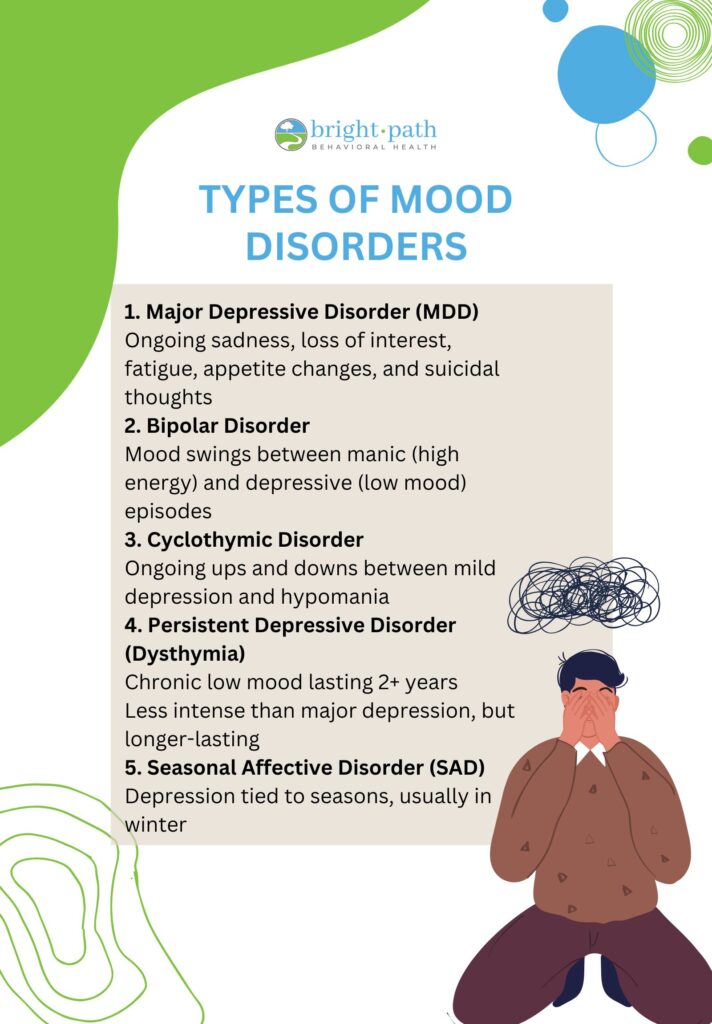
Below are the types of mood disorders:
- Major Depressive Disorder (MDD)
- Bipolar Disorder
- Cyclothymic Disorder
- Persistent Depressive Disorder (Dysthymia)
- Seasonal Affective Disorder (SAD)
- Major Depressive Disorder (MDD)
Major depressive disorder is characterized by persistent sadness, loss of interest in daily activities, and a range of physical and emotional symptoms, including fatigue, changes in appetite, and suicidal thoughts. This condition severely impacts personal and professional life. According to Kessler et al. in 2003, MDD affects about 16.2% of adults in their lifetime.
- Bipolar Disorder
Bipolar Disorder involves extreme mood shifts between manic (elevated or irritable mood) and depressive episodes. Bipolar I is marked by manic episodes, while Bipolar II features hypomanic episodes and depression. A study by Merikangas et al. in 2007 found that 4.4% of the population experiences bipolar disorder.
- Cyclothymic Disorder
Cyclothymic Disorder is a mood disorder where individuals experience frequent mood swings between hypomania and mild depression. While the symptoms don’t meet the criteria for full manic or depressive episodes, the mood instability is ongoing and impairs functioning over time.
- Persistent Depressive Disorder (Dysthymia)
Persistent Depressive Disorder involves chronic, mild depressive symptoms lasting for at least two years. Symptoms are less severe than in major depression but last longer, affecting daily life and productivity. Individuals often struggle with low mood for much of their lives.
- Seasonal Affective Disorder (SAD)
Seasonal Affective Disorder occurs with seasonal changes, often in winter, due to reduced exposure to sunlight. This type of depression causes symptoms like low energy, sadness, and social withdrawal, which are treated with light therapy or antidepressants.
What are the most common mood disorders?
The most common mood disorders include psychiatric conditions marked by prolonged emotional disturbances and impaired functional behavior. These disorders feature patterns of depression, mania, or both, and frequently occur across adolescence and adulthood. Below are the most frequently diagnosed mood disorders.
- Major Depressive Disorder
- Bipolar Disorder
- Persistent Depressive Disorder
- Disruptive Mood Dysregulation Disorder
- Seasonal Affective Disorder
- Premenstrual Dysphoric Disorder
- Substance/Medication-Induced Depressive Disorder
- Depressive Disorder Due to Medical Condition
What are the symptoms of mood disorders?
The symptoms of mood disorders include psychological and physical signs that affect emotional regulation and behavioral stability. Emotional symptoms often signal deeper mental health conditions.
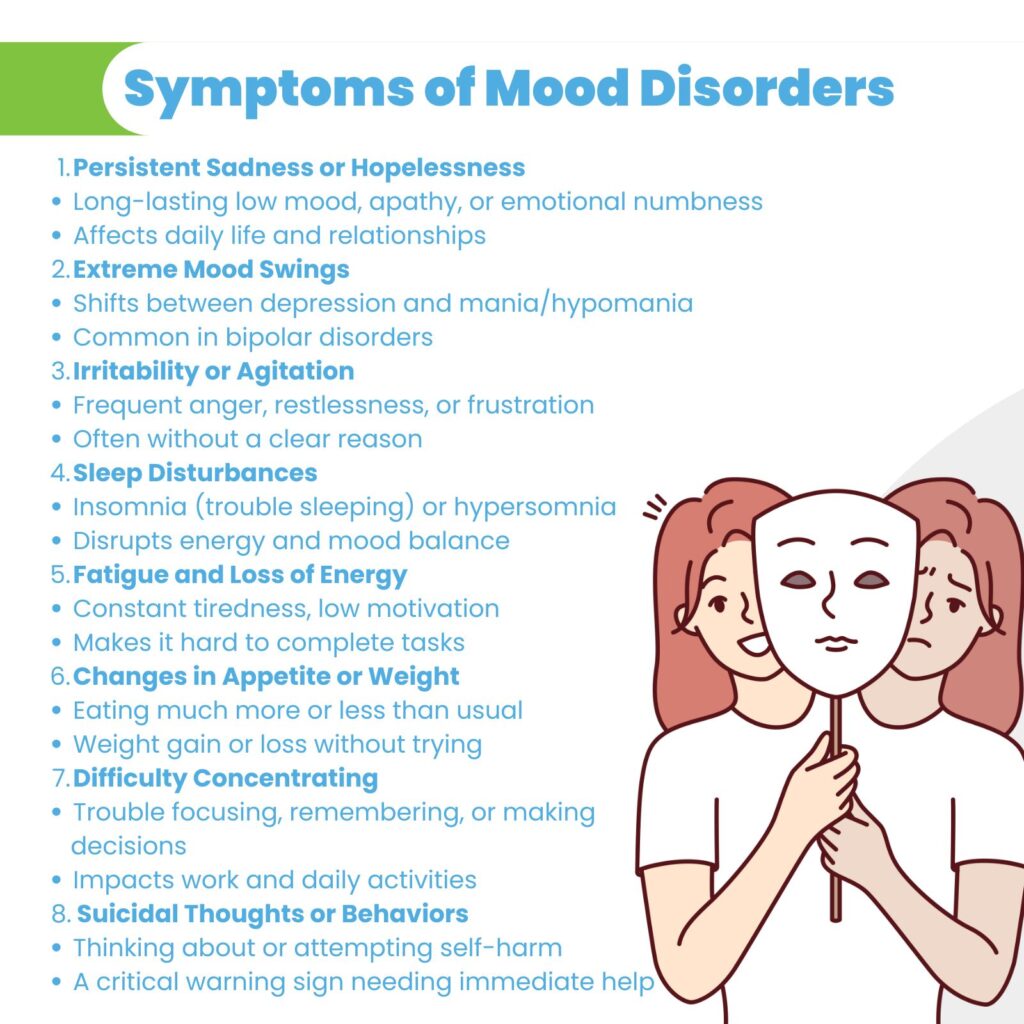
Below are the symptoms of mood disorders:
- Persistent sadness or hopelessness
- Extreme mood swings
- Irritability or agitation
- Sleep disturbances (insomnia or hypersomnia)
- Fatigue and loss of energy
- Changes in appetite or weight
- Difficulty concentrating
- Suicidal thoughts or behaviors
- Persistent sadness or hopelessness
Persistent sadness or hopelessness reflects chronic depressive symptoms that remain for most of the day, nearly every day. This symptom often disrupts social and occupational functioning. Mental health indicators such as apathy or emptiness correlate strongly with this emotional symptom.
- Extreme mood swings
Extreme mood swings include shifts from depressive lows to manic highs. This instability often appears in bipolar spectrum conditions. Mood instability interferes with perception, judgment, and interpersonal interactions.
- Irritability or agitation
Irritability or agitation manifests through anger, restlessness, or frustration without clear triggers. This symptom appears across multiple mood disorders and reflects dysregulated emotional responses.
- Sleep disturbances (insomnia or hypersomnia)
Sleep disturbances affect circadian rhythms. Insomnia leads to trouble falling or staying asleep. Hypersomnia results in excessive sleep, even after adequate rest. These sleep-related symptoms often align with both depressive and manic episodes.
- Fatigue and loss of energy
Fatigue and low energy reduce activity levels and motivation. This symptom contributes to difficulty in completing daily tasks and amplifies depressive episodes.
- Changes in appetite or weight
Changes in appetite or weight signal dysregulation in biological drives. Appetite loss or overeating occurs during prolonged mood disturbances, leading to unintended weight gain or loss.
- Difficulty concentrating
Difficulty concentrating includes memory lapses, indecision, and distractibility. This cognitive impairment limits academic, professional, and social functioning during episodes of emotional instability.
- Suicidal thoughts or behaviors
Suicidal thoughts or behaviors involve ideation, planning, or attempts to end one’s life. This symptom indicates severe depressive states and requires immediate mental health intervention.
Do people feel empty when they have a mood disorder?
Yes, people feel empty when they have a mood disorder because of sustained emotional numbness and psychological detachment. Mood disorders like depression and bipolar disorder induce low energy states and impaired affective processing.
Emotional emptiness reflects a lack of internal stimulation and reward response, commonly linked with major depressive episodes. Psychological emptiness leads to disengagement from previously meaningful activities. Motivation declines. Relationships weaken. Daily functioning deteriorates.
Does mood disorder affect teenagers?
Yes, mood disorder affects teenagers through impaired emotional regulation, academic decline, and behavioral dysregulation. Adolescent mental health disorders present as irritability, withdrawal, aggression, and reduced school performance. Risk-taking behaviors escalate.
A research by Kathleen R. Merikangas of the National Institute of Mental Health (NIMH), titled “Lifetime Prevalence of Mental Disorders in U.S. Adolescents: Results from the National Comorbidity Survey Replication–Adolescent Supplement (NCS-A)” in 2010, found that approximately 14.3% of U.S. adolescents experienced a mood disorder, supporting the widely cited figure that around 17% of youth are affected before adulthood. Teen depression frequently underpins these outcomes, increasing the risk of substance use and self-harm.
Does mood disorder affect children?
Yes, mood disorders affect children through early-onset emotional and behavioral disruptions. Childhood depression and pediatric mood disorders manifest as persistent irritability, defiance, excessive crying, or withdrawal.
Academic performance declines as concentration and motivation drop. Peer relationships suffer. Early-onset bipolar disorder presents with mood swings, impulsivity, and agitation. Early intervention with behavioral therapy and family counseling reduces long-term impairment and promotes emotional regulation. Pediatric evaluation improves prognosis.
What causes mood disorders?
The causes of mood disorders are genetic inheritance, neurochemical imbalances, chronic psychological stress, and traumatic experiences. Mental health risk factors such as low levels of neurotransmitters like serotonin, dopamine, and norepinephrine affect mood disorder etiology. A family history of mood disorders increases susceptibility, as genetic predisposition impacts emotional regulation pathways. Traumatic experiences, particularly early-life trauma, disrupt normal emotional development and create vulnerabilities for mood disorders.
Psychological causes of mood disorders include negative cognitive schemas, patterns of distorted thinking, and learned helplessness, where individuals feel unable to change their circumstances. These factors lead to emotional dysregulation and persistent feelings of hopelessness or despair.
Biological causes, such as dysregulation of the limbic system, abnormalities in the hypothalamic-pituitary-adrenal (HPA) axis, and structural changes in the brain, further exacerbate the development of mood disorders. Endomorph disorder, characterized by hormonal and neurological instability, adds a layer to the complexity of mood disorder etiology, highlighting the interplay between biological and psychological factors.
How are mood disorders diagnosed?
Mood disorders are diagnosed through clinical interviews, standardized questionnaires, and psychiatric evaluations guided by DSM-5 criteria. Mental health diagnosis involves analysis of patient history, mood episode duration, and severity of affective symptoms.
A study by M. First in 2015 titled Structured Clinical Interview for the DSM (SCID) found that the SCID-5, which aligns with DSM-5 diagnostic modules, is the most widely used and reliable tool for structured assessment of mood disorders and other psychiatric conditions. Psychiatric assessment examines sleep patterns, appetite, psychomotor activity, and suicidal ideation. Diagnosis requires exclusion of medical causes and substance use. Accurate classification ensures appropriate treatment and long-term mental health management.
What are the treatments for mood disorders?
The treatment for mood disorders involves medical and psychological strategies that stabilize mood, improve daily functioning, and reduce relapse risk. Access to professional care plays a fundamental role, and mood disorder treatment often integrates structured psychiatric support, personalized therapy, and medication to address individual needs. Comprehensive depression management, combined with ongoing monitoring, ensures a customized approach to fostering emotional stability and effective recovery. Listed below are treatment methods for mood disorders.
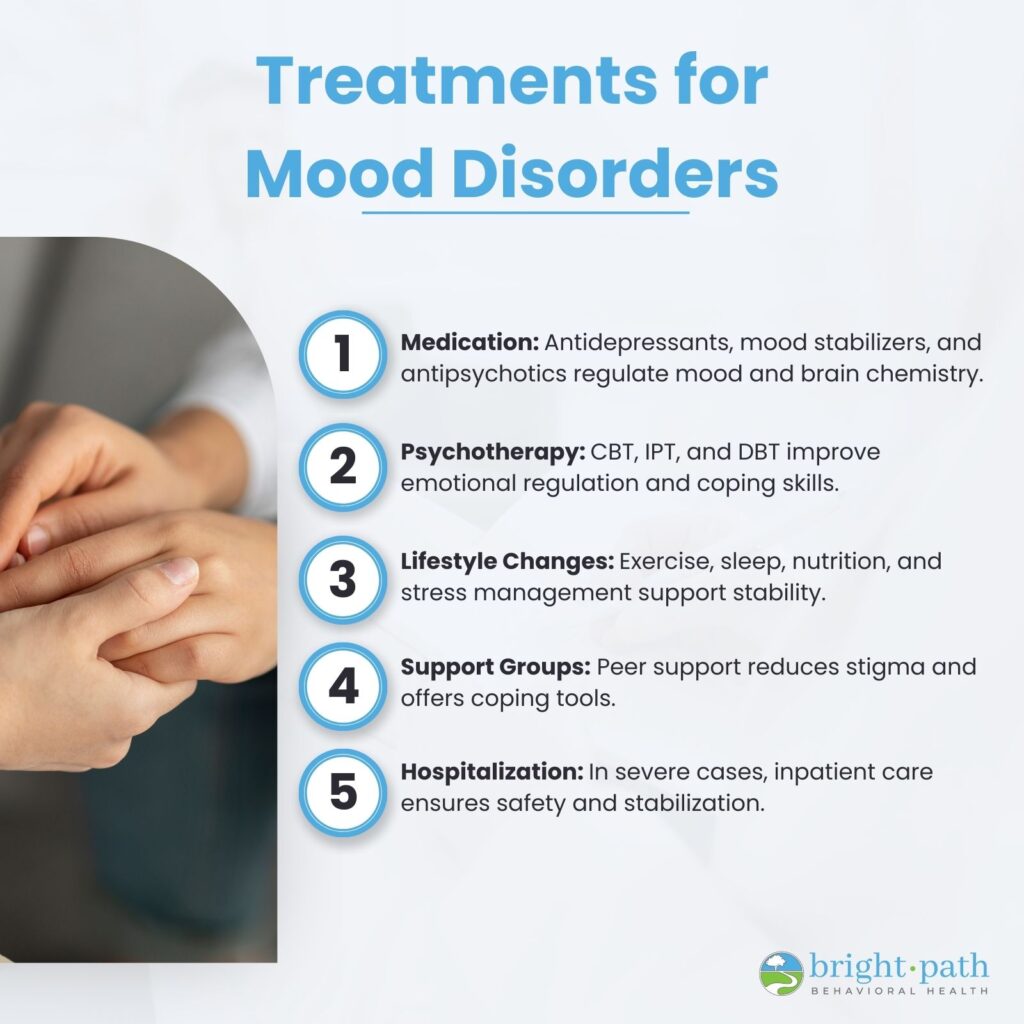
- Medication
- Psychotherapy
- Lifestyle changes
- Support groups
- Hospitalization in severe cases
- Medication
Medication regulates brain chemistry involved in mood regulation. Antidepressants, mood stabilizers, and antipsychotics are prescribed depending on the diagnosis. Medication is monitored by psychiatric professionals and adjusted based on treatment response.
- Psychotherapy
Psychotherapy addresses thought patterns and emotional regulation. Cognitive Behavioral Therapy (CBT), Interpersonal Therapy (IPT), and Dialectical Behavior Therapy (DBT) are commonly used. Therapy strengthens coping mechanisms and prevents symptom recurrence.
- Lifestyle changes
Lifestyle changes include regular exercise, sleep hygiene, nutrition, and stress reduction. These adjustments support emotional balance and improve treatment outcomes by reducing triggers of depressive episodes.
- Support groups
Support groups provide peer-based connection. Group participation improves engagement, reduces stigma, and offers shared tools for coping with mental health conditions over time.
- Hospitalization in severe cases
Hospitalization in severe cases ensures safety during intense depressive or manic episodes. Inpatient psychiatric care delivers round-the-clock monitoring, medication stabilization, and structured therapy programs.
What are therapies for mood disorders?
The therapies for mood disorders are evidence-based psychotherapeutic interventions that improve emotional regulation, cognitive functioning, and behavioral patterns. These talk therapy approaches target the underlying thought distortions, relationship stressors, and internal conflicts contributing to mood instability.
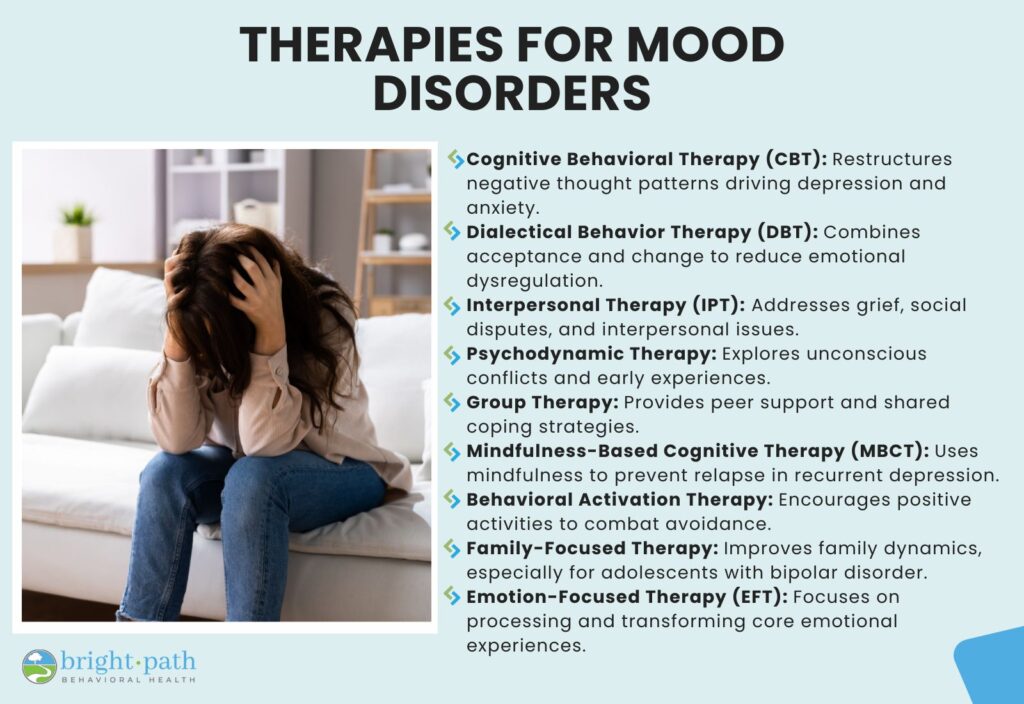
Below are the therapies for mood disorders:
- Cognitive Behavioral Therapy (CBT): focuses on identifying and restructuring negative thought patterns that drive depressive and anxious behaviors.
- Dialectical Behavior Therapy (DBT): combines acceptance and change strategies to reduce emotional dysregulation and self-destructive behaviors.
- Interpersonal Therapy (IPT): improves mood by addressing unresolved grief, social role disputes, and interpersonal deficits.
- Psychodynamic Therapy: explores unconscious conflicts, early childhood experiences, and emotional repression contributing to chronic mood symptoms.
- Group Therapy: facilitates peer support, shared experiences, and social learning to reduce isolation and improve coping strategies.
- Mindfulness-Based Cognitive Therapy (MBCT): integrates mindfulness practices to prevent relapse in individuals with recurrent depression.
- Behavioral Activation Therapy: encourages engagement in positive activities to counteract avoidance behaviors and anhedonia.
- Family-Focused Therapy: targets family communication patterns and dynamics to stabilize mood symptoms, especially in adolescents with bipolar disorder.
- Emotion-Focused Therapy (EFT): emphasizes awareness, acceptance, and transformation of core emotional experiences affecting mood states.
What are the effects of mood disorder?
The effects of mood disorder include persistent disruptions in emotional stability, thought processing, and social functioning, which interfere with daily responsibilities and long-term life satisfaction.
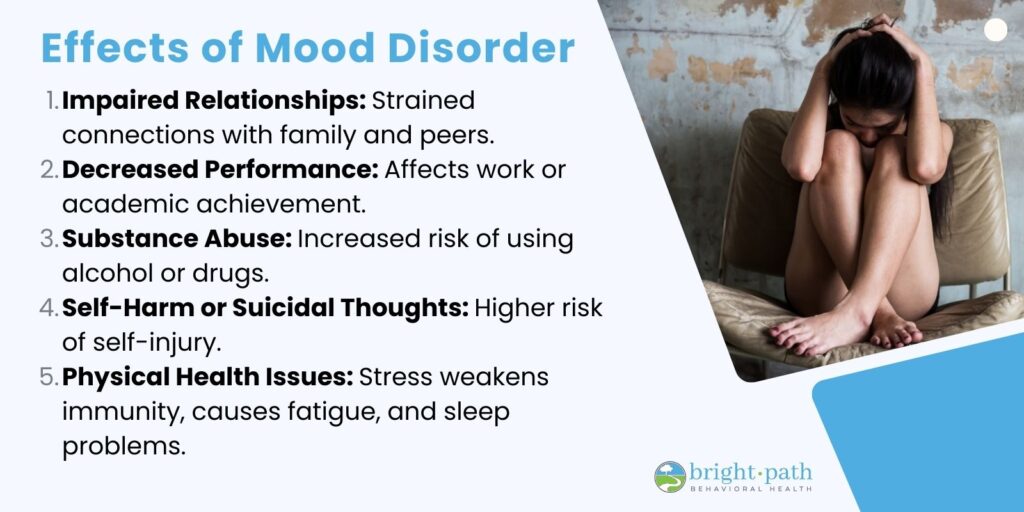
Below are the effects of mood disorder:
- Impaired relationships: conflicts, emotional withdrawal, or communication breakdowns strain family, peer, and romantic connections.
- Decreased work or academic performance: reduced concentration, absenteeism, and lack of motivation affect job stability and academic achievement.
- Increased risk of substance abuse: individuals use alcohol or drugs as maladaptive coping mechanisms to suppress mood fluctuations.
- Higher likelihood of self-harm or suicidal thoughts: unmanaged depressive states raise the probability of intentional self-injury or suicide attempts.
- Physical health deterioration due to stress and neglect: chronic stress weakens immune response, while poor self-care leads to weight changes, insomnia, and fatigue.
What are the biological causes of mood disorders?
The biological causes of mood disorders are directly linked to neurotransmitter imbalances, genetic inheritance patterns, hormonal fluctuations, and abnormalities in brain structure and function. Neurotransmitters such as serotonin, dopamine, and norepinephrine regulate emotional processing; dysregulation in these chemicals results in prolonged depressive or manic states.
A study by Hasler et al. titled “Pathophysiology of depression: Do we have any solid evidence of interest to clinicians?” in 2004 confirmed decreased serotonin activity in individuals with major depressive disorder. Genetic predisposition is evident in first-degree relatives of individuals with bipolar disorder or major depressive disorder, as they tend to have higher prevalence rates of these conditions.
Brain imaging has shown reduced hippocampal volume and prefrontal cortex dysfunction among people with mood disorders. Hormonal dysregulation, such as abnormal cortisol levels in hypothalamic-pituitary-adrenal (HPA) axis dysfunction, reinforces chronic stress response and emotional instability.